


Winter Conditions Can Be Hard on Vehicles
Michigan winters are known for harsh driving conditions. Snow, ice, potholes, and road salt all create challenges for vehicles during the colder months. Even careful drivers may experience additional wear on important components simply due to seasonal road conditions.
By the time spring arrives, many vehicles have endured months of exposure to freezing temperatures and rough road surfaces. These conditions can affect several systems within a vehicle, including brakes, suspension components, tires, and exhaust systems.
Scheduling a vehicle inspection in the spring allows drivers to identify potential problems caused by winter driving before they develop into larger repairs.
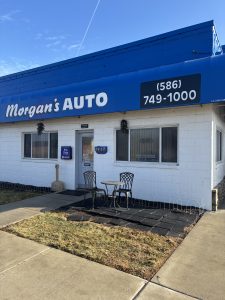
Morgan’s Complete Auto helps drivers throughout New Haven, Richmond, Chesterfield, and surrounding communities ensure their vehicles are ready for the warmer months ahead.
⸻
Pothole Damage and Suspension Wear
One of the most common issues drivers face after winter is pothole damage. When temperatures fluctuate, roads expand and contract, leading to cracks and potholes that can damage vehicle suspension systems.
Driving over potholes can impact components such as shocks, struts, and alignment settings. Drivers may notice their vehicle pulling to one side, experiencing uneven tire wear, or feeling less stable on the road.
A spring inspection allows technicians to evaluate the suspension system and identify any damage that may have occurred during winter driving.
⸻
Brake System Checks After Winter
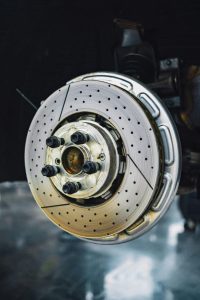
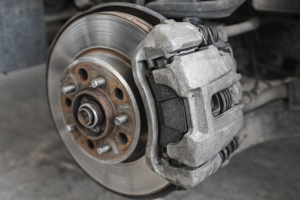
Winter road conditions can also affect braking systems. Moisture, salt, and freezing temperatures can contribute to corrosion and increased wear on brake components.
Even if brakes seem to be working normally, a professional inspection can identify early signs of wear that may require attention. Replacing worn brake pads early can prevent damage to other braking components and help ensure the vehicle stops safely when needed.
Regular brake inspections remain one of the most important aspects of vehicle maintenance.
⸻
Checking Tires and Alignment
Winter conditions can also impact tire performance and alignment. Cold temperatures can cause tire pressure to fluctuate, and potholes can shift alignment settings over time.
During a spring inspection, technicians can check tire condition, ensure proper inflation, and evaluate alignment to help improve driving comfort and fuel efficiency.
Properly maintained tires also provide better traction and stability during everyday driving.
⸻
Preventative Maintenance Saves Money
One of the biggest advantages of a seasonal vehicle inspection is preventing more serious mechanical problems. Identifying small issues early allows drivers to address repairs before they become larger and more expensive.
Preventative maintenance helps extend the life of vehicle components and keeps the car running reliably throughout the year.
Regular inspections also give drivers peace of mind knowing their vehicle is operating safely and efficiently.
⸻
Serving Drivers in New Haven and Surrounding Communities
Drivers in New Haven, Richmond, Chesterfield, and nearby areas rely on their vehicles daily for commuting, errands, and travel. Keeping vehicles properly maintained helps ensure reliable transportation throughout every season.
Spring vehicle inspections are an excellent way to ensure winter conditions have not created hidden problems that could affect safety or performance.
⸻
Contact Morgan’s Complete Auto
If your vehicle has gone through a long Michigan winter, now is a great time for a professional inspection. Morgan’s Complete Auto provides dependable auto repair and maintenance services for drivers in New Haven, Richmond, Chesterfield, and surrounding communities.
Contact Morgan’s Complete Auto today to schedule a vehicle inspection and make sure your car is ready for the road ahead.